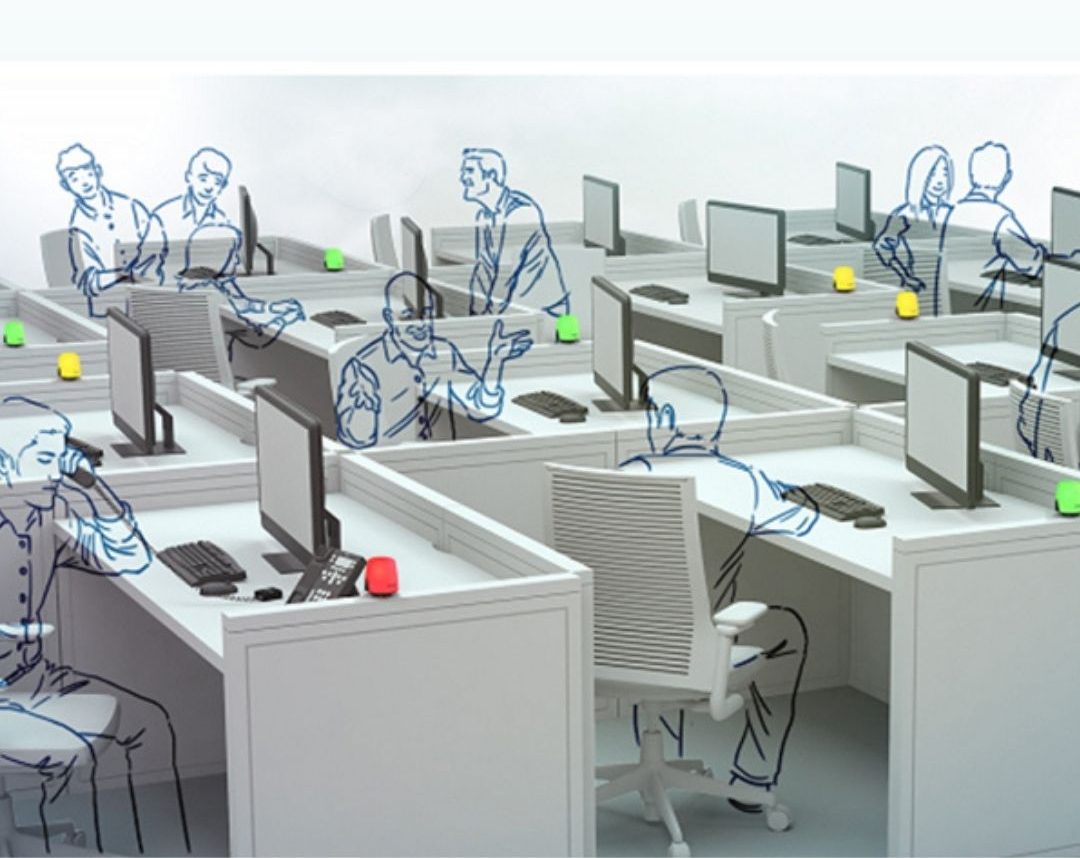
Respect at work used to be simple. You saw someone, you read their body language, you waited for the right moment, and things just worked. But in today’s offices, that natural rhythm is gone. People move in and out of meeting rooms, jump between conversations, try to focus, try not to interrupt… and half the time, nobody really knows whether someone is actually free or just trying to survive their task list.
And that’s where this whole idea of visible respect quietly enters. Not as some big policy, but as a tiny shift: “Let me make it easier for you to understand where my head is at.” When availability is obvious, when focus is easy to recognise, when presence isn’t a mystery, everyone breathes a little easier. No tension. No second-guessing. No awkward interruptions.
That’s what visual cues really do, and tools like Busylight make it ridiculously simple. A bit of colour, a tiny signal, and suddenly the entire office communicates with more intention than words ever manage.
The way we work is changing, but honestly? The heart of it is still human. We’re just finding new, simpler ways to show each other respect.
Rethinking Respect in Today’s Office Environment
Modern office work changed the rhythm of collaboration. People jump between calls, shared desks, focus tasks, and quick hallway conversations. What feels like a harmless tap on the shoulder to one person can completely derail someone else who is deep into a task or leading a meeting.
Workplace respect today is less about formal rules and more about awareness. Teams are learning that:
- Availability cannot be assumed
- Focus is fragile
- Interruptions carry a real cognitive cost
- Presence signals must work across the entire workspace
Respect must now be designed into the workplace. And anything that makes presence visible in the simplest, most human way becomes a cornerstone of modern office etiquette.
Why Visual Cues Matter More Than Ever
Visual cues have become the new language of workplace understanding. In offices, people often rely on guesswork to know whether someone is busy, between calls, thinking deeply, or available for a quick discussion. This guesswork is what creates unintentional friction.
A well-defined visual cue does three things instantly:
- Reduces hesitation: people don’t need to second-guess whether they’re interrupting
- Creates predictable behaviour: everyone understands what each colour or signal means
- Builds emotional safety: people feel respected when their focus is acknowledged
The most meaningful shift is that visual cues encourage mindful communication without forcing anyone to constantly announce their status or defend their boundaries. Respect becomes proactive instead of reactive.
The Science of Fewer Interruptions and Better Focus
Focus isn’t just about silence. It’s about protecting the mental state that lets people think clearly. Every unnecessary interruption resets that state and steals time that is hard to regain.
Visual cues support concentration not by enforcing strict rules but by creating shared awareness. When teams learn to look for signals instead of assumptions, interruptions drop naturally. The change is cultural:
- teammates pause before approaching
- people plan conversations more intentionally
- meetings begin with fewer disruptions
- energy feels calmer and more organised
When organisations adopt clear visual signals, people begin to treat each other’s time as valuable. Respect becomes visible, and the workplace becomes noticeably more composed.
Introducing Busylight as a Behavioural Tool
As workplaces shift toward visible respect, even small tools can change how people interact. Busylight is one of those simple, intuitive devices that turns your availability into clear colour signals, helping teams instantly know when to approach and when to hold back.
How it works
- Connects easily to Microsoft Teams, Zoom, and Skype for Business
- Syncs automatically with your status or can be set manually
- Red for meetings, green for available, yellow for away, and blue for custom focus modes
Because the meanings are universal and instantly recognisable, no training is needed. People understand at a glance and adjust their behaviour effortlessly.
The unique advantage: the ringer feature
Busylight also includes a built-in ringer that makes sure no important call or meeting notification goes unnoticed, even when your headset is unplugged or your speakers are muted. This dual visual-audio awareness reduces missed connections and supports smoother workflows in busy offices.
Why it fits naturally into modern workplaces
- Plug-and-play setup
- Seamless integration with existing communication tools
- Easily managed by IT teams at scale
- Works effortlessly across open offices, meeting rooms, and collaborative desk layouts
What makes Busylight powerful is not complexity but clarity. It reinforces respect through simple, predictable signals that teams quickly adopt.
Cultural Change Through Small Signals
A respectful workplace is not built through policies alone. It grows through everyday behaviour: the quiet moments when people choose to wait, to check a signal, or to communicate more thoughtfully.
Visual cues like Busylight shape these micro-decisions. Over time, they:
- encourage thoughtful timing of conversations
- reduce tension around interruptions
- lower stress in open office layouts
- help teams feel more connected
- create smoother patterns of collaboration
Cultural change often starts with small, well-designed signals. When a workplace makes focus visible, it also makes respect visible. And when respect becomes visible, it becomes repeatable.
Conclusion
Respect in today’s workplaces isn’t just a behavioural expectation anymore; it’s something you intentionally design into how people work together. And that’s where visual cues truly matter. They cut out the guesswork, make intentions clear, and help teams communicate with more intention and fewer interruptions.
Tools like Busylight make this shift feel effortless, a simple colour, a small signal, and suddenly, people can protect their focus and time without saying a word. As offices across India continue to evolve, CEECO isn’t just shaping better workplaces; it’s teaching organisations the simplest truth we often forget: respect becomes real the moment it becomes visible.
FAQs
How do visual cues help teams avoid miscommunication?
They make availability easy to read at a glance, cutting through fast schedules, shifting priorities, and unpredictable meeting loads.
What makes Busylight effective in fast-paced office environments?
Its clarity, the colours are instantly understood, and the built-in ringer ensures no important call or meeting is missed.
Can visual cues reduce stress in open offices?
Yes. When people know they won’t be interrupted unexpectedly, the whole workspace feels calmer and more predictable.
How does this support IT teams in large organisations, including those partnering with CEECO?
Busylight is simple to deploy, configure, and manage across departments, fitting smoothly into existing workflows for organisations working with CEECO.

Leave a Reply