Category Workplace Productivity

Interruptions Hurt Engagement More Than You Think — Here’s How Kuando Busylight Supports Employees

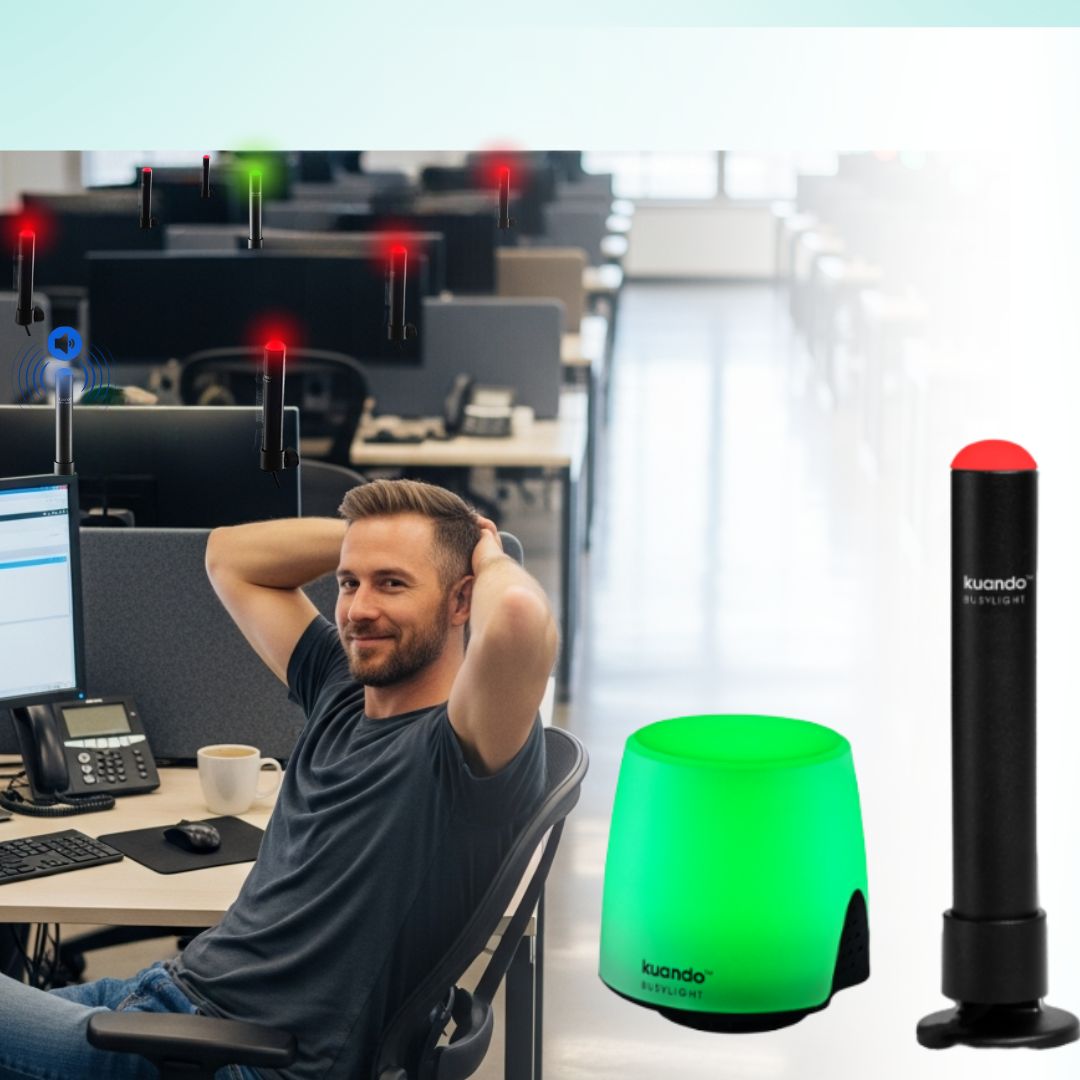
Employees lose hours each week due to constant context-switching from unexpected interruptions at their desks. Identifying those interruption triggers marks the first step toward reclaiming focus and boosting overall team engagement in shared workspaces. 

Read More

Reducing Noise Stress: How Busylight Supports Worker Wellness on the Floor

Busylight wellness

Walk onto any manufacturing floor during peak operations, and the noise hits you like a physical force. Heavy presses stamping metal components, conveyor systems squealing as they move materials between workstations, and pneumatic tools hissing as they tighten bolts with compressed air. All this noise puts worker wellness at stake. 

Read More

IT Teams Want Tools That Don’t Slow Them Down. Kuando Busylight Delivers.

busylight

IT administration teams don’t work in the background; they work inside live, interconnected systems where focus keeps everything standing. A network change mid-flight, a security patch under pressure, a production incident unfolding in real time, these moments don’t allow room for distraction. One poorly timed interruption can ripple into rework, delays, or risk no one planned for. And yet, availability in most IT environments is still guessed, pinged, or manually updated when time is already scarce. That hidden interference quietly drains productivity.

Read More

Why Smart Ringer Alerts Are Becoming Essential in Modern Workplaces

busylight

Walk through a modern office for a few minutes, and you’ll notice something interesting. Phones don’t really “ring” anymore. Calls are missed quietly. A response is delayed. A follow-up message replaces a real-time answer, and everyone assumes someone else will pick it up.

Read More

India’s Hybrid Work Gap: The Challenge No One Talks About and How Busylight can help people And companies in shifting the worker preference from WFH to WFO

busylight

India’s office work culture looks flexible, yet a real challenge sits underneath it: communication no longer moves in a steady rhythm. The way people move across spaces and tasks inside the office has made availability harder to read. Meetings interrupt deep work. Colleagues hesitate because they’re unsure who’s focused and who’s free. In-office employees rely on cues that change from moment to moment. These small gaps quietly shape how people experience the workday and why many workers still prefer WFH, and how companies can shift that preference back to WFO.

Read More

Social media & sharing icons powered by UltimatelySocial