Walk through a modern office for a few minutes, and you’ll notice something interesting. Phones don’t really “ring” anymore. Calls are missed quietly. A response is delayed. A follow-up message replaces a real-time answer, and everyone assumes someone else will pick it up.
In busy offices where teams work closely together, missed calls quietly slow everything down. They disrupt work, delay responses, and create confusion because alerts don’t match how people actually work today.
Most workplace alert systems were designed for calmer, more predictable settings where a sound alone could command attention. Today’s reality looks very different. Employees move constantly, handle layered conversations, wear headsets, and work inside a steady hum of digital and physical noise. In that environment, sound loses its power.
Smart ringer alerts are emerging as a critical layer of modern workplace infrastructure. They respect on-site working patterns, surface what truly matters, and ensure important calls are noticed without adding stress. For organizations that value responsiveness, continuity, and human-centered productivity, intelligent alerting is fast becoming foundational.
The Real Problem Missed Calls Reveal About Modern Work
Missed calls are often treated as minor operational delays. In reality, they expose a deeper misalignment between work design and human attention. In office environments, calls are not just communication events. They are signals that trigger decisions, actions, and accountability. When those signals fail, work slows down in subtle but persistent ways.
The impact appears across multiple layers:
– Workflow fragmentation, where employees must reconstruct context after interruptions
– Delayed response loops that affect internal coordination and external trust
– Increased cognitive load caused by uncertainty around availability and responsibility
In noisy or visually demanding offices, employees shouldn’t have to stay hyper-alert to catch what matters. Attention is already fragmented. The system should carry the responsibility of detection, not people. That’s where smart ringer alerts become a structural necessity, rather than a convenience.
Why Sound-Based Alerting Has Reached Its Limits
Traditional ringer systems assume that sound is a reliable carrier of urgency. That assumption breaks down in modern offices. Headsets block ambient noise. Conversations overlap. Background activity fluctuates throughout the day. In such settings, increasing volume only adds stress without guaranteeing awareness.
Sound-based alerting struggles because it:
– Competes with environmental noise rather than cutting through it
– Lacks spatial awareness, making it hard to identify who should respond
– Treats all calls as equal, regardless of context or priority
Modern offices require alerts that can be perceived instantly without demanding focused attention. Visual signaling meets this need by operating in peripheral vision, where awareness is faster and less disruptive. Smart ringer alerts use this principle to ensure calls are noticed naturally, without forcing people to constantly monitor devices or dashboards.
Smart Ringer Alerts as an Attention Architecture
Smart ringer alerts mark a conceptual shift toward intentional attention design. They align workplace systems with real human behavior in shared physical spaces, reducing noise while making critical moments impossible to miss.
A well-designed smart ringer alert system does three things:
– It externalizes awareness, so employees do not need to actively check for calls
– It reduces ambiguity about availability and responsibility
– It supports focus by minimizing unnecessary interruptions
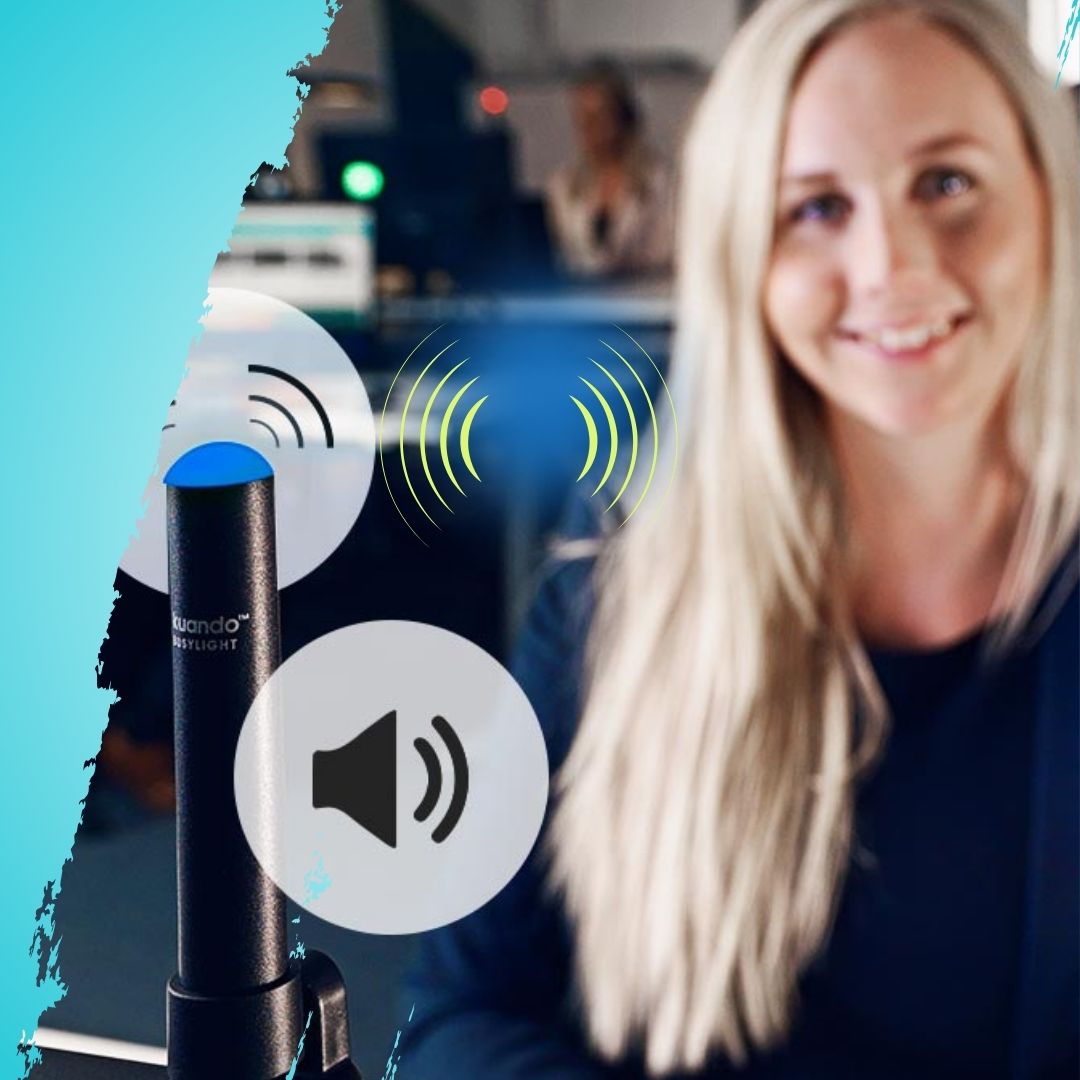
Busylight’s intelligent ringer fits into this architecture by acting as a visible, ambient signal that communicates call activity clearly and immediately across the office floor. Its value lies not in making calls louder, but in making them impossible to overlook in busy environments. This allows employees to stay immersed in their work, confident that important signals will surface when needed.
Operational Reliability in High-Density Workplaces
In shared service centers, IT operations, and customer-facing teams, response reliability is a core performance metric. These environments are dense, collaborative, and time-sensitive, where a missed call can disrupt service continuity and coordination. Smart ringer alerts improve reliability by making incoming calls immediately visible across shared spaces, reducing repeated attempts and verbal escalation, and enabling silent coordination without adding noise. In office settings, where teams work closely in high-energy environments, visual alerting fits naturally and ensures critical communication is not lost in the background.
From Reactive Interruptions to Predictable Responsiveness
One of the less discussed benefits of smart ringer alerts is how they change behavioral patterns over time. When teams trust that calls will be noticed, they stop compensating with excessive follow-ups, constant checking, or defensive communication habits.
This leads to:
– More predictable response behavior
– Fewer unnecessary interruptions
– Greater confidence in real-time workflows within the office
Smart alerting shifts workplaces from reactive interruption management to proactive responsiveness. It brings a calmer work flow, signaling urgency clearly and only when needed, boosting both productivity and well-being.
Conclusion
In busy offices, calls often slip through unnoticed, breaking flow and creating uncertainty. Smart ringer alerts reshape how attention works, reduce distractions, and make responsiveness effortless. By aligning signals with real human behavior, they strengthen focus and operational reliability.
Busylight shows how thoughtful alert design can quietly transform everyday work, turning every call into a moment of clarity, confidence, and human-centered productivity.
FAQs
Why are smart ringer alerts becoming critical in open office environments?
Open offices dilute sound-based alerts. Smart ringer alerts ensure visibility without adding noise or distraction.
How do intelligent ringer systems support focus rather than interrupt it?
They operate through peripheral awareness, allowing employees to stay focused until action is required.
Are smart ringer alerts relevant for enterprise workplaces?
Yes. High-density, collaborative office environments benefit significantly from visual and ambient alerting.
Do smart ringer alerts replace existing communication tools?
No. They enhance existing systems by ensuring that critical calls are noticed and acted upon.

Leave a Reply